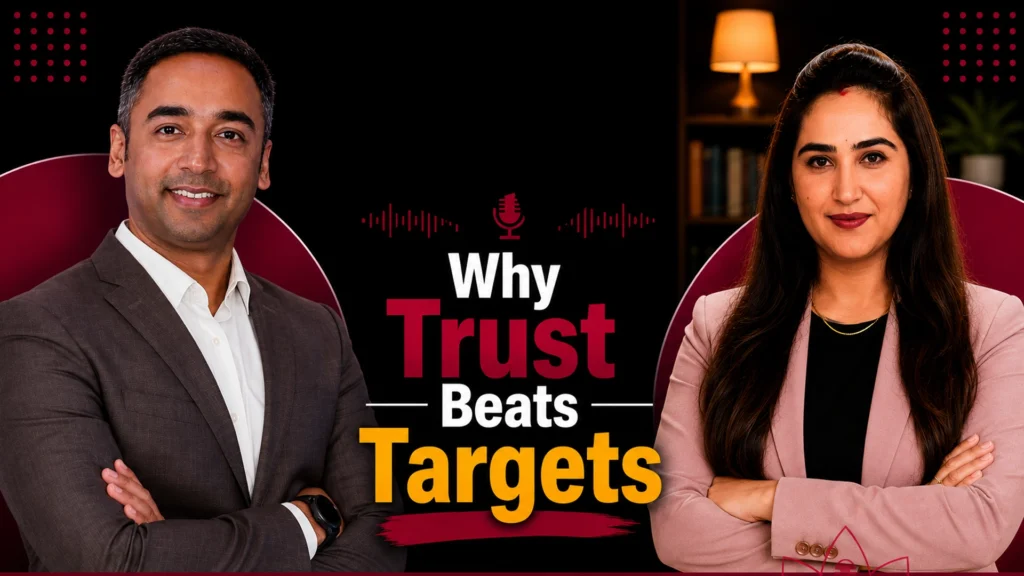
How do you build high-performing teams without burning people out?
In this episode of Wellness at Work India, banking leader Abhishek Mehta shares lessons from over a decade in one of the most demanding industries where targets, performance, and client expectations are part of everyday life.
Drawing from his experience leading teams across India, Abhishek discusses why sustainable success begins with leadership behaviour. He explores the importance of trust, empathy, continuous learning, and creating workplace cultures where people feel supported while delivering exceptional results. The conversation also touches on managing pressure, preventing burnout, building resilient teams, and preparing the next generation of professionals for the future of work.
The episode concludes with a powerful reminder that while business growth matters, lasting success is built on strong relationships, human connection, and leaders who put people first.
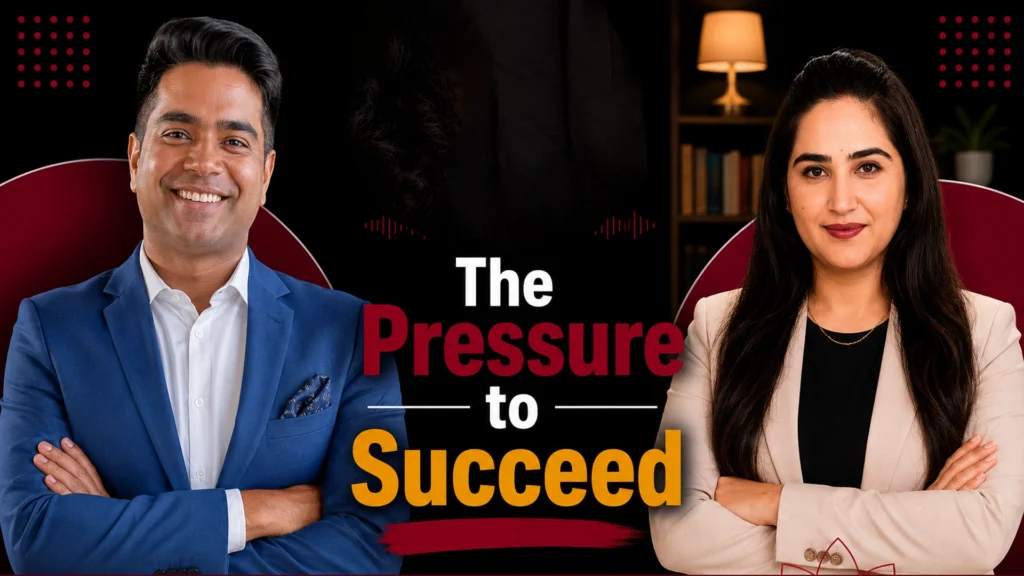
What does it really take to prepare young people for success—not just in college, but in life and the workplace?
In this episode of Wellness at Work India, education consultant and mentor Raghavv Mutneja shares how the challenges students face today—stress, comparison, perfectionism, parental expectations, and the pressure to succeed—often become the very challenges they carry into their professional lives.
Drawing from his experience mentoring over 1,000 students towards some of the world’s leading universities, Raghavv explains why resilience, clarity, and emotional support matter far more than chasing perfection. He shares practical strategies to overcome overwhelm, build confidence, develop healthy habits, and navigate the admissions journey without sacrificing mental wellbeing.
The conversation also explores the realities behind scholarships, the importance of authentic storytelling, the role of family support, and why comparing yourself only to your past self is one of the healthiest mindsets anyone can adopt.
The episode concludes with a powerful reminder that success is a marathon, not a sprint—and that the habits we build as students become the foundation of healthier, happier workplaces tomorrow.
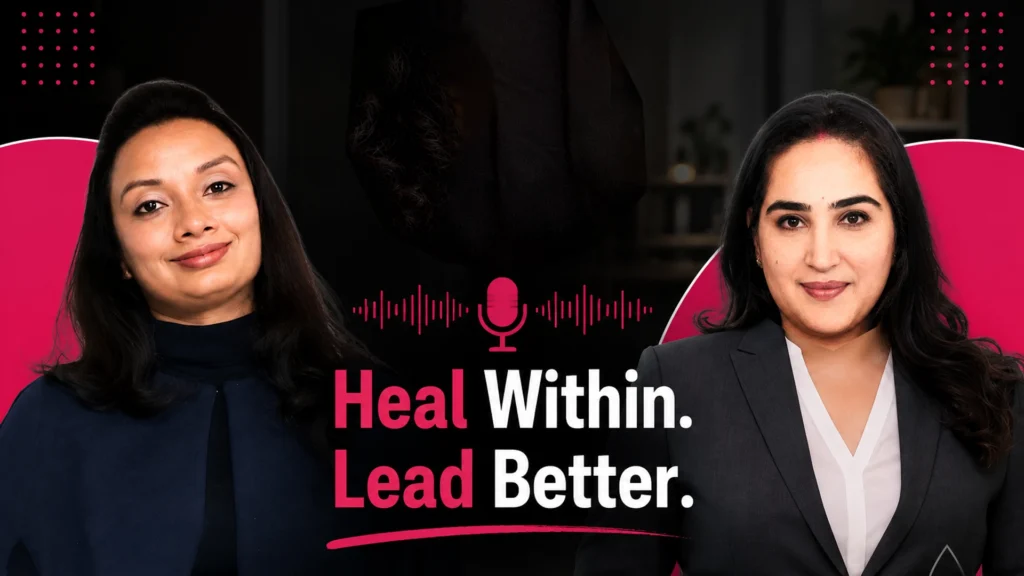
What if the stress, perfectionism, self-doubt, or burnout we experience at work isn’t really about work at all? In this deeply insightful episode of Wellness at Work India, trauma-informed therapist and transformational coach Sneha Maheshwari explains how unresolved childhood experiences quietly shape the way we lead, perform, communicate, and relate to ourselves in the workplace.
Drawing from her own powerful journey—from a successful finance professor struggling with burnout and suicidal thoughts during the pandemic to becoming a trauma therapist—Sneha shares how healing begins when we stop running from our pain and start understanding the stories we’ve carried for years.
The conversation explores how unresolved trauma can appear as perfectionism, procrastination, people-pleasing, low confidence, burnout, and the constant need for external validation. Through relatable client stories, Sneha explains why many workplace challenges are rooted not in capability, but in emotional patterns formed much earlier in life.
She also introduces simple yet effective nervous system regulation techniques—including box breathing, grounding practices, and somatic awareness—that professionals can use to manage stress in the middle of a busy workday. The episode concludes with a powerful reminder that true healing isn’t about becoming someone new—it’s about peeling away the layers we’ve built to survive and reconnecting with who we have always been.
What does it take to build a workplace culture that can survive rapid growth, constant change, and global expansion? In this insightful episode of Wellness at Work India, Anurag Verma, Head of People & Culture at ShareChat, shares lessons from three decades of leading people and culture across startups, unicorns, and global organizations.
Drawing from his experience at Flipkart, ShareChat, Unifor, and other multinational companies, Anurag explains why culture is not a by-product of success—it is the foundation that enables sustainable growth. He discusses the importance of defining a few non-negotiable values, aligning leadership around a shared purpose, and ensuring that culture scales alongside the business rather than becoming a casualty of hypergrowth.
The conversation also explores leading through uncertainty, managing mergers and acquisitions, coaching founders to transition from operators to leaders, and creating truly inclusive global workplaces. Through practical stories and relatable examples, Anurag highlights how transparency, trust, empathy, and communication become the anchors that help organizations navigate complexity.
One of the strongest messages from the episode is that leadership is not about having all the answers—it is about creating clarity, building trust, and helping people thrive through change.
What does operational excellence really mean in today’s workplace? Is it simply about improving efficiency, or is it about empowering people to perform at their best? In this insightful episode of Wellness at Work India, Vikas Vanvari, Senior Leader at R1 RCM, shares why true transformation begins with people—not just processes.
The conversation also explores the growing role of automation and AI in the workplace. Rather than replacing people, Vikas believes technology should free employees from repetitive tasks so they can focus on creativity, problem-solving, and delivering greater value. He also highlights why the best ideas often come from frontline employees and how organizations can build cultures where continuous improvement becomes part of their DNA.
One of the most powerful ideas from the episode is his belief that process excellence and people excellence go hand in hand—because sustainable business success is only possible when organizations invest in both.
What happens when we apply the science of consumer behavior to the workplace? In this thought-provoking episode of Wellness at Work India, Smriti Singh Bhatia, Founder & CEO of InQognito Insights, explores how neuroscience, behavioral science, and empathy can help organizations build healthier, more human cultures.
Drawing from 23 years of experience in consumer insights, Smriti explains why employees are not just resources—they are human beings whose brains respond to safety, recognition, belonging, and trust. She challenges the idea that workplace wellness is about perks and instead reframes it as creating environments where people feel valued, heard, and psychologically safe.
The conversation also dives into burnout, hustle culture, AI anxiety, and the evolving expectations of Gen Z. Smriti offers a refreshing perspective: AI will not replace people, but people who refuse to learn and adapt may struggle. She also shares why younger generations are pushing workplaces toward healthier boundaries and more meaningful work.
One of the most powerful ideas from the episode is her call to shift leadership from extraction to empathy—because organizations thrive when people are replenished, not depleted.

What does it really take to lead with presence in today’s fast-moving workplaces? In this insightful episode of Wellness at Work India, executive coach and leadership expert Nitu Walia Kanwar explores how true leadership goes far beyond confidence and authority. From her early years in aviation to coaching thousands of leaders, she shares why empathy, trust, communication, and self-awareness are the foundations of healthy workplace cultures.
The conversation dives into practical ways leaders can prevent burnout, create psychological safety, and build teams that feel valued and heard. Nitu also discusses executive presence, women in leadership, managing guilt, and one simple habit that can transform the way leaders respond under pressure: learning to pause.
Success is often measured by promotions, paychecks, and achievements. But what if the real foundation of career growth lies within us? In this insightful episode of Wellness at Work India, Career Acceleration Coach and Leadership Facilitator Deepa Chandrasekaran shares why aligning our inner world with our outer actions is the key to sustainable success, stronger leadership, and better mental well-being.
Drawing from over two decades of corporate experience and years of coaching professionals, Deepa explains why burnout isn’t just about long working hours—it’s often rooted in constant comparison, lack of self-awareness, and chasing society’s definition of success. She challenges the culture of hustle, busts the myth of multitasking, and encourages leaders to redefine success through peace, purpose, and personal values.
One of the most powerful moments in the conversation is Deepa’s reminder that great leadership starts with self-leadership. Through stories from her coaching practice, she shows how mindset shifts, healthy boundaries, and inner work can transform careers, improve decision-making, and create happier, healthier workplaces.
The episode concludes with practical tools like journaling, self-reflection, and self-compassion—simple habits that help professionals regulate stress, build resilience, and become better leaders from the inside out.
As conversations about workplace wellness grow louder, one truth remains overlooked: wellness isn’t a policy—it’s a practice shaped by everyday leadership.
In this deeply reflective episode of Wellness at Work India, two seasoned people leaders, Fiby Francis and Sanjeeb Lahiri, explore how empathy, trust, and purpose—not perks or checklists—truly drive wellness at work.
Fiby and Sanjeeb come from different worlds—Middle East-based entrepreneur and Indian CHRO—but they speak the same truth: wellness starts where connection begins.
They reflect on real workplace dynamics—from missed promotion conversations to emotional intelligence in crisis—and why burnout prevention begins with leadership that listens.
Fiby shares insights from her transition from banking to behavioral science and how purpose-driven OD can create sustainable cultures. Sanjeeb shares his journey from a shy professional to CHRO and how vulnerability, not volume, defines strong leadership.
Their message is clear: Managers can make or break mental wellness—one conversation at a time.
While organizations push values like agility and inclusion, both guests challenge leaders to ask: Are we living those values in daily interactions?
From letting people leave early without guilt, to building psychological safety for silent employees, they break down how wellness is embedded in behaviors, not brochures.
As Sanjeeb puts it:
“Excellence isn’t about targets. It’s about how people show up—especially on bad days.”
As workplaces chase growth, digital agility, and Gen Z engagement, one quiet truth is rising to the surface: wellness doesn’t begin with HR—it begins with leadership.
In this compelling episode of Wellness at Work India, two experienced HR voices from different worlds come together to deliver a grounded, inside-out view of what it really takes to build cultures of trust, belonging, and emotional well-being.
Both guests agree: mental wellness isn’t an initiative—it’s an outcome of leadership behavior. You can’t outsource empathy or coach trust through policies alone. In fact, culture isn’t crafted in HR meetings—it’s shaped in 1:1s, team huddles, and how managers react when people fail.
Hardip shares lessons from scaling people systems in startup and MNC settings—where the absence of structure, or too much of it, can break trust. Kaushal goes deep into how long-term thinking, not just hitting KRAs, creates lasting engagement and prevents burnout.
Their shared view? Leadership coaching is the missing link in most wellness strategies. Managers must be trained, not just informed—and conversations should shift from performance to purpose.
While most organizations talk about agility, inclusivity, and innovation, both Kaushal and Hardip point out the gap between what’s printed and what’s practiced. From Gen Z’s demand for meaning at work, to returnship support for women post-career breaks, they cover the nuances of inclusion that can’t be solved with checklists.
They emphasize:
“If your people can’t speak freely to their manager, no amount of wellness programs will matter.”
This episode is a must-listen for HR professionals, founders, and people managers looking to build human-first organizations that don’t burn out their best people.
As organizations step into the future with AI-driven systems, rapid scaling, and hyper-productivity as the norm, something vital is being left behind — mental wellness. In this powerful episode of Wellness at Work India, we bring together two deeply insightful voices from very different worlds — and yet, they meet at the same crossroads of people-first leadership and emotional well-being.
Together, they decode the invisible mental health pitfalls that leaders, HR teams, and organizations often overlook — and why ignoring them is no longer an option in 2025.
The Wake-Up Call: Mental Health is Not a Perk. It’s a Priority.
In this episode, both guests emphasize that mental wellness must move beyond one-off campaigns, therapy apps, or Employee Assistance Programs (EAPs) hidden in onboarding handbooks. True wellness is a systemic culture shift — one that must be led from the top and practiced in the everyday behaviors of leadership.
Sindhuja unpacks how stress and burnout manifest in subtle, overlooked ways. It’s not always a breakdown or a crisis — sometimes it’s simply feeling emotionally numb, losing your sense of joy, or running on autopilot. It’s in the culture of weekend emails, in performance reviews that ignore emotional fatigue, and in leadership that celebrates overwork.
Lt. Col. Vivek echoes this from his own journey, drawing parallels between the mission-driven structure of the Armed Forces and the need for clarity and psychological safety in corporate environments. His view? You don’t need to abandon structure to embrace empathy. In fact, the best organizations do both.
AI, Empathy, and Human-Centered Leadership
One of the most engaging segments of the episode is Vivek’s take on AI at work. While many fear that automation will replace human roles, Vivek reframes it with refreshing clarity — AI is an assistant, not a replacement. And while AI can handle data, scheduling, and even hiring processes, it can’t replicate emotional intelligence, mentorship, or team morale.
Sindhuja builds on this with a bold point: Leaders can’t delegate empathy to tech. In the race toward digitization, organizations must be careful not to lose their human core. As she puts it, “Workplace wellness isn’t about having a meditation app. It’s about how your manager talks to you every day.”
In today’s demanding work culture, especially for women navigating leadership and life roles, the concept of “having it all” often hides a painful truth — many of us are burning out silently. In this deeply personal and inspiring episode of Wellness at Work India, we bring you a conversation that cuts through the noise and speaks directly to the heart.
Our guests, Rajani Tiwari and Neha Gupta, bring decades of leadership experience in the HR and corporate space — but in this episode, they bring something even more powerful: vulnerability, honesty, and lived truth.
This is not just an episode about leadership. It’s about the emotional weight women carry, the silent trade-offs they make, and the pressing need for organizations to understand that wellness is not a perk — it’s a survival strategy.
Rajani shares a moment that stopped us in our tracks — when she sat in a restaurant and couldn’t remember what she loved to eat. After years of prioritizing her child, her work, her home, and everything else in between, she had unknowingly erased her own preferences. That one incident became symbolic of something larger: how burnout quietly chips away at identity.
This isn’t just her story — it’s the story of so many women who lead from the front, manage households, strive for perfection, and still wonder if they’re doing enough. This episode is for them.
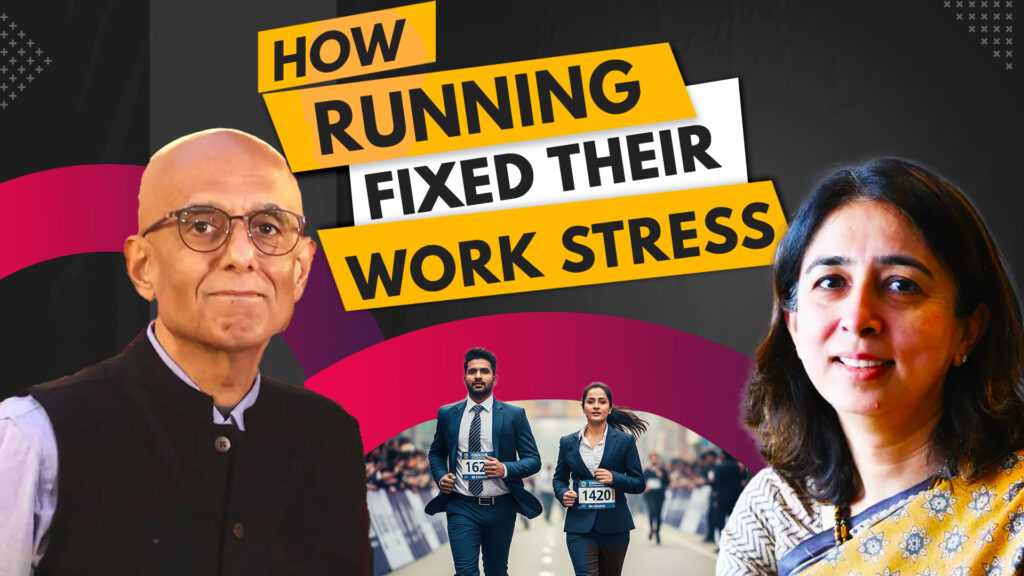
Wellness isn’t just a policy. It’s a mindset—built one mile at a time.
In this inspiring episode of Wellness at Work India,
Rashmi Mohanty (CFO, SBI Card)
and
Randeep Singh Arora (Veteran Business Leader & World Marathon Major Finisher)
share how their passion for long-distance running has shaped the way they lead, endure, and thrive in demanding corporate environments.
This conversation isn’t about fitness routines or morning jogs—it’s about how consistent personal wellness can drive leadership clarity, mental strength, and team resilience.
From Rashmi’s 100K runs while leading finance teams through audits, to Randeep’s remarkable comeback after a heart scare—this episode explores the real connection between wellness and performance.
If you’ve ever wondered how to lead through pressure without burning out—or how your personal health impacts your professional edge—this one’s for you.

Well-being at work isn’t about bean bags or breakroom posters. It’s about how leadership shows up—especially when no one’s watching.
In this honest and deeply reflective conversation, Ankit Lodha, CFO of a leading ethnic fashion D2C brand, and Dr. Rajesh Rolen, CEO & Co-founder of Microlent Systems, explore what real employee wellness looks like when it’s driven by empathy, accountability, and clarity—not campaigns.
Coming from two high-stakes worlds—finance and tech—they open up about the invisible weight employees carry, and why most burnout goes unnoticed until it’s too late.
From spotting early signs of disengagement, to implementing 1:1 conversations that go beyond performance reviews, they reveal leadership tools that create emotional safety and team loyalty.
Ankit shares how financial stress, job insecurity, and role ambiguity affect performance—and how he builds psychological guardrails for his team in high-pressure environments.
Dr. Rajesh brings a tech founder’s perspective, explaining how simple actions like rest breaks, personal check-ins, and prioritizing behavior traits in hiring have helped reduce silent burnout across his company.
This episode unpacks personal stories—like how Dr. Rajesh invited a resigned employee back after a personal loss, and how Ankit diffused burnout in a colleague with one empathetic response.
It’s not about theory.
It’s about practicing leadership with compassion—consistently.
Whether you lead a team of five or five hundred, this conversation will challenge how you think about mental health at work—and inspire you to take action where it matters most.
Wellness isn’t a one-day event.
It’s not yoga mats in the conference room or a campaign on Slack.
In this deep-dive episode,
Anurag Verma (People & Culture Leader, ex-CPO at multiple high-growth startups)
and
Devangi Kamra (Organizational Culture Strategist and People Innovation Leader)
pull back the curtain on what real workplace wellness looks like when it’s led by business, not just HR.
From turning burnout data into business metrics, to mandating “no meeting” days and power shutdowns in hyper-growth environments, they reveal what it takes to design work cultures that protect performance and people.
Devangi shares how she drove wellness through measurable engagement and helped shift it from an HR task to a CEO priority.
Anurag brings decades of perspective on what makes leaders truly empathetic, and why the most powerful companies are the ones where people feel they belong.
This is not a soft conversation — it’s a strategic one.
If you’re building, scaling, or leading teams — you’ll want to hear this.

Wellness isn’t about yoga days or mental health slogans. It’s about how we show up—for our teams, for ourselves, and especially when no one’s watching.
In this eye-opening episode, Shruti Sonali (Co-founder, GoodDot) and Pradeep Kumar Gulati (CHRO, General Engineering & Construction Ltd) have an unfiltered conversation about what real workplace wellness looks like beyond policies and perks.
They explore how empathy, emotional safety, and honest leadership shape workplaces that don’t just survive—but truly thrive.
From a powerful story of an employee recovering from addiction with full company support, to the emotional toll of hidden burnout, this conversation strips away the corporate gloss to reveal what wellbeing at work should actually mean.
This episode is essential for founders, team leads, HR professionals, and anyone navigating the tension between productivity and humanity.
Shruti brings the clarity and conviction of a founder who leads with trust. Pradeep shares hard-earned lessons from decades in HR across 29 countries, where leadership begins with listening—and ends with accountability.
Workplace wellness isn’t a brochure, a one-time check-in, or an annual survey. It’s the culture we build every day—through trust, empathy, and how we choose to lead.
In this deeply insightful episode of Wellness at Work: India, Pallavi Kar and Gopala Krishna get real about what it takes to make wellness more than a buzzword. From the quiet power of consistent feedback to the emotional impact of leadership in crisis, they explore the daily practices that build psychologically safe, high-performing teams.
You’ll hear the moving story of a CEO who personally cooked meals for an employee during COVID, and reflections on how HR must stop waiting for permission—and start speaking the language of impact.
This isn’t just a podcast for HR professionals—it’s for anyone who believes leadership should feel human.
Pallavi brings her bold, people-first approach to culture building and HR transformation, while Gopala shares raw, real-world experiences from healthcare leadership, emotional intelligence, and resilience in action.
Workplace wellness isn’t a one-off health camp or a team lunch — it’s about how leaders show up, set boundaries, and create space for well-being every single day.
In this honest episode of Wellness at Work India, Dr. Abel and Sudhir open up about the personal cost of high-performance culture — from taking client calls on vacation to walking into your home looking like you’re carrying the whole company on your shoulders.
Together, they reflect on the silent pressures leaders face, how burnout sneaks into boardrooms, and why traditional wellness initiatives miss the mark.
This conversation isn’t about perks — it’s about changing how we lead.
Abel shares his experience as a doctor and healthcare leader who’s seen the cost of ignoring mental health — even among top performers. Sudhir, a corporate leader, brings firsthand stories of managing pressure, making decisions under stress, and why discipline and empathy go hand in hand.
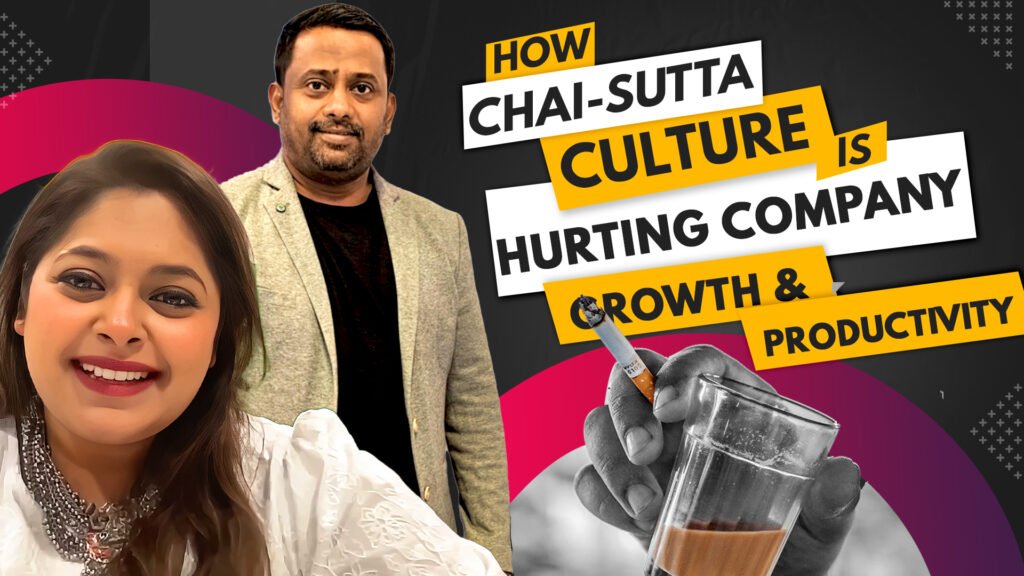
Workplace wellness isn’t about beanbags or Friday yoga — it’s about leadership, culture, and what people consume (physically and mentally) every day.
In this unfiltered episode of Wellness at Work India, Dr. Rahul Sawakhande joins Neethi Nair to expose the hidden triggers of stress and illness inside Indian offices — and why leaders need to step up.
From tapri breaks filled with sugar and smoke to the mental pressure on high-performing teams, this conversation explores how everyday choices — both by employees and their leaders — directly impact burnout, diabetes, and retention.
Rahul brings his lens as a healthcare entrepreneur, doctor, and people-first leader with 17+ years of experience across pharma and wellness. Neethi brings her ground-level insight into organizational psychology and workplace mental health.
Together, they unpack what most companies ignore:
Why “feedback” needs to be replaced with “feed-forward”
How leaders can coach their teams on health without being overbearing
Why sugar is the real productivity killer in your office pantry
And how one simple culture shift can prevent burnout before it begins
This isn’t a wellness trend — it’s a leadership responsibility. For founders, HR leaders, and managers — this is a must-watch.

Burnout and employee wellness in India are no longer just HR buzzwords — they’re critical issues shaping the future of our workforce. In this impactful episode of Wellness at Work India, we bring you an honest, eye-opening conversation with two of the country’s most respected leaders: Pawan Damani, Vice President of JSW Ispat, and Jatin Joshi, Group CEO of Maitreya Medicare.
The discussion centers on burnout and employee wellness in India’s healthcare and industrial sectors, two industries often overlooked when it comes to mental health and workplace well-being. Pawan and Jatin share real stories from the ground, insights from leadership, and actionable thoughts on what must change — and fast.
From the intense stress faced by doctors to the reasons why even children of medical professionals now prefer IT careers, this episode reflects a deep disconnect between passion, profession, and workplace culture. When employee wellness is ignored, it leads to rising attrition, low morale, and even brain drain — especially in India’s healthcare sector where nurses are leaving for countries like Japan and Germany for better pay and dignity.
Jatin talks about the thankless nature of medical jobs in India, despite academic brilliance and dedication, while Pawan raises concerns about the massive pay disparity between India and foreign countries, where nurses earn up to 10x more. They both agree: burnout is not just about workload — it’s about the lack of appreciation, toxic leadership, and outdated HR systems.
As part of the Wellness at Work India mission, this episode encourages founders, HR professionals, hospital administrators, and policy-makers to rethink their approach to employee wellness. Wellness must move from token initiatives to cultural transformation. This is not a “good to have” — it’s essential.